The Hidden Monthly Charges That Could Be Draining Your Bank Account Without You Noticing
Personal Finance | Consumer Awareness | United States
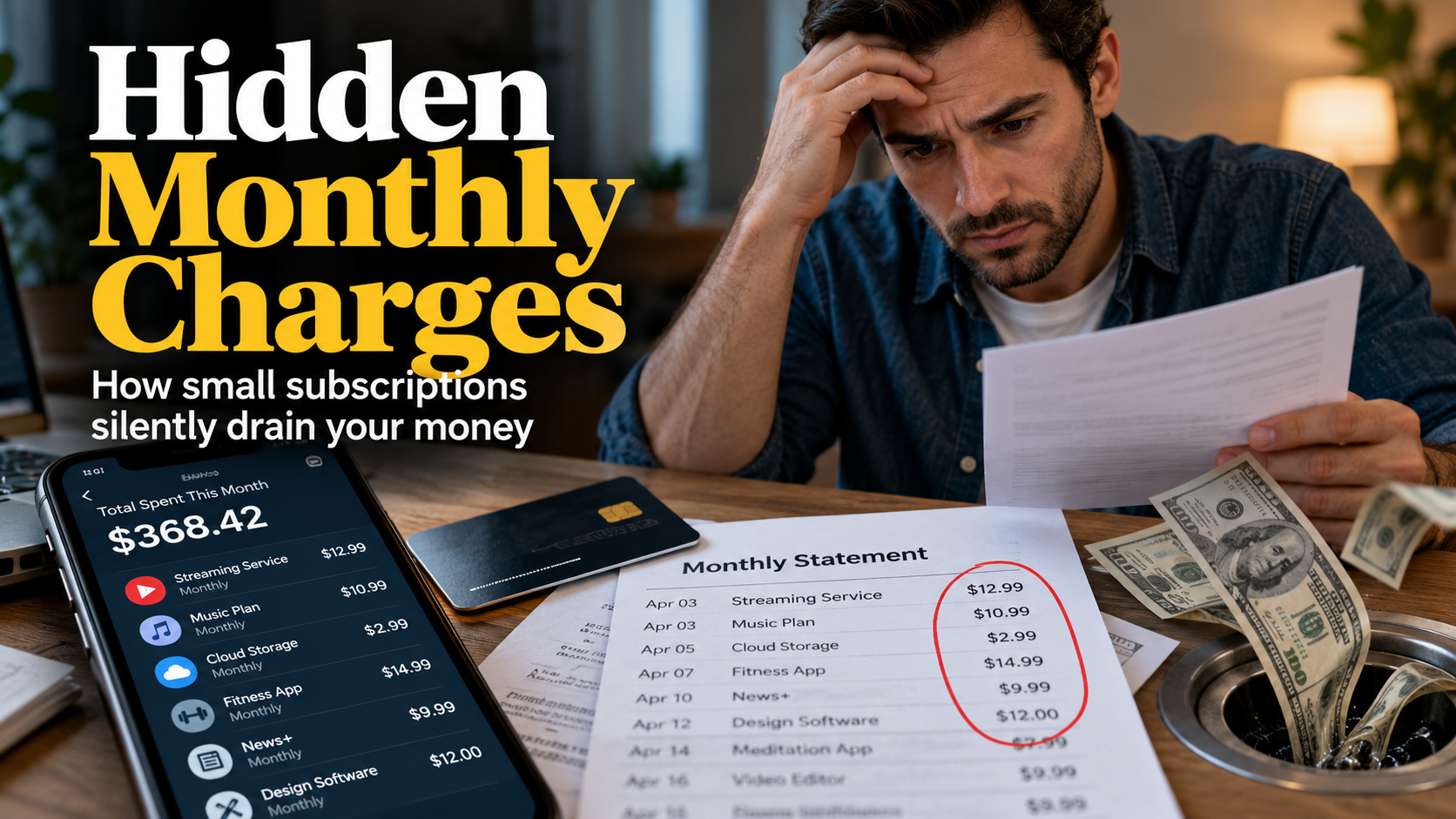
Millions of Americans use banking apps every day to check their balances, pay bills, and monitor their finances. But there’s one simple mistake that could allow unnecessary expenses to go unnoticed for months — or even years.
The problem isn’t always a major purchase or an unexpected bill. Sometimes, it’s a collection of small recurring charges quietly reducing the money available in your bank account.
And the surprising part? You may have agreed to some of these payments without remembering they’re still active.
The Hidden Problem Behind Automatic Payments
Subscription services have become part of everyday American life.
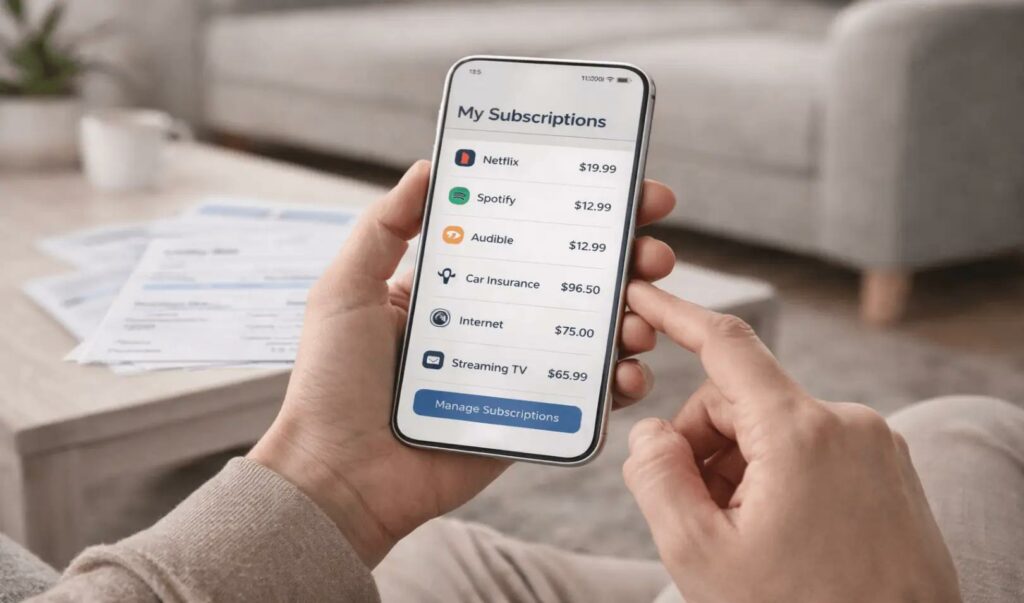
From streaming platforms and fitness memberships to cloud storage and premium mobile apps, automatic payments offer convenience. But they can also create financial blind spots.
A service that costs just $9.99 per month may not seem expensive. However, several forgotten subscriptions can add up quickly.
Consider this simple example:
- Streaming subscription: $15.99 per month
- Unused fitness app: $9.99 per month
- Premium digital service: $12.99 per month
- Cloud storage subscription: $4.99 per month
- Forgotten membership: $19.99 per month
Total: $63.95 per month — or $767.40 per year.
That’s hundreds of dollars potentially spent on services you may no longer need.
And for households already struggling with rising expenses, eliminating unnecessary charges could make a meaningful difference.
Why So Many Charges Go Unnoticed
One common financial habit is checking only the available bank balance instead of reviewing individual transactions.
When a paycheck arrives, most people want to confirm the deposit. When a bill is paid, they simply verify that the payment went through.
But small recurring charges can easily disappear among dozens of other transactions.
Free trials are another potential problem.
Some online services automatically convert free trial memberships into paid subscriptions unless customers cancel before the trial period ends.
The Federal Trade Commission (FTC) has warned consumers about misleading subscription offers, unexpected renewals, and difficulties canceling unwanted services.
Not every automatic payment is suspicious or unauthorized. However, every recurring charge deserves an occasional review.

Five Expenses Worth Checking Today
Financial consumers should pay particular attention to five categories:
1. Forgotten Streaming Services
Multiple entertainment subscriptions can become expensive, especially when some are rarely used.
2. Unused Mobile Applications
Premium apps may continue charging monthly even when customers stop opening them.
3. Free Trials That Became Paid Plans
A free trial can turn into a monthly expense if it isn’t canceled according to its terms.
4. Bank and Account Fees
Depending on the account, maintenance charges and optional financial services may add to monthly expenses.
5. Gym Memberships and Digital Subscriptions
Memberships that are no longer useful may continue renewing until properly canceled.
A Simple Financial Checkup That Could Save You Money
A practical solution is to spend a few minutes reviewing your financial transactions regularly.
Start by checking your bank and credit card statements from the past 60 to 90 days.
Look for repeated charges, unfamiliar merchant names, and services you no longer use.
Next, open your phone’s subscription settings and review active memberships connected to your Apple or Google account.
You should also check subscriptions billed directly through individual companies.
If you discover an unwanted service, review its cancellation instructions and save confirmation that the subscription has ended.
For charges you never authorized, contact your financial institution promptly to ask about disputing the transaction.
Small Savings Can Make a Big Difference
The mathematics behind recurring expenses is simple.
Saving just $25 per month adds up to $300 annually.
Eliminating $50 in unnecessary monthly expenses means keeping $600 more over a year.
And cutting $100 in unused subscriptions could preserve $1,200 annually.
These examples are not guaranteed savings. They illustrate how repeated small expenses can become significant over time.
For some households, that money could help build an emergency fund, reduce debt, or cover essential bills.
Financial Awareness Starts With Small Habits
Managing personal finances doesn’t always require dramatic lifestyle changes.
Sometimes, the first step is simply understanding where your money goes.
Reviewing your statements, checking active subscriptions, and identifying unnecessary expenses can help you make more informed financial decisions.
And when it comes to protecting your budget, awareness can be just as important as earning more.
The Bottom Line
A monthly subscription might appear insignificant on its own. But several recurring charges, left unchecked, can quietly consume hundreds of dollars every year.
Taking a few minutes to review your accounts could help you identify expenses worth eliminating.
Now it’s your turn: Have you ever discovered a subscription you forgot you were paying for? Share your experience in the comments.
Consumer information based on general guidance from the Federal Trade Commission (FTC) and Consumer Financial Protection Bureau (CFPB). This article is for educational purposes and does not constitute personalized financial advice.


